C2PA Content Credentials Explained for Creators in 2026
Quick answer: C2PA Content Credentials attach cryptographically signed provenance data to media. They can show who or what created a file, which compatible tools changed it, and whether the signed record remains intact. They do not prove that an image is true, ethical or free from manipulation.
Last verified: September 5, 2026.
What C2PA is
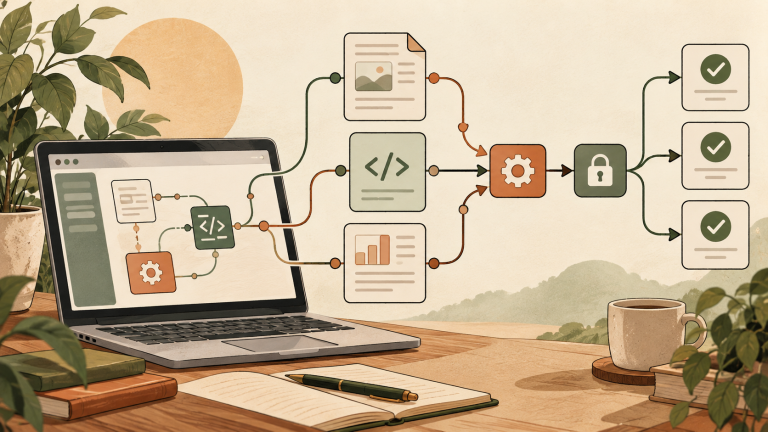
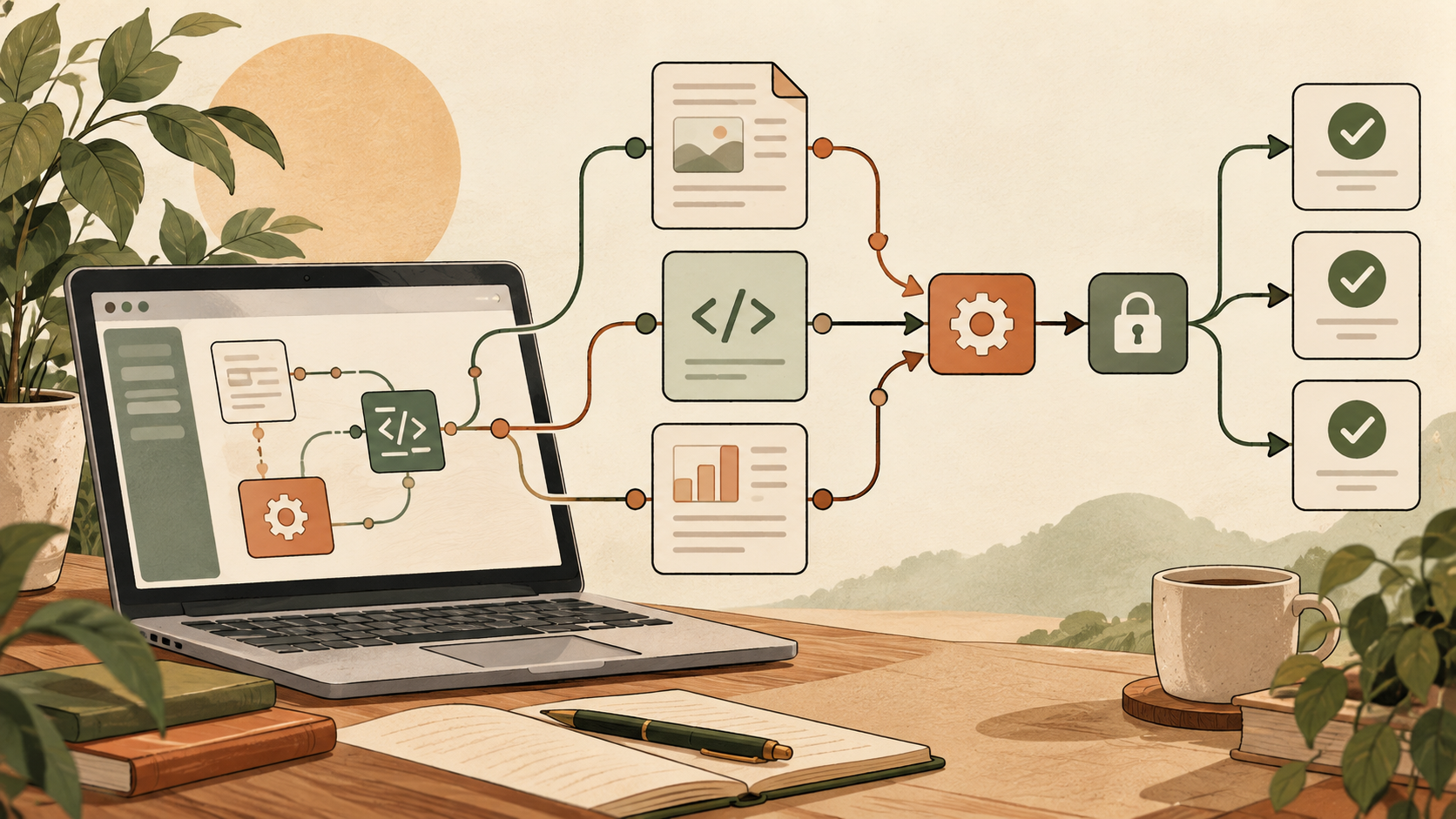
The Coalition for Content Provenance and Authenticity publishes an open technical standard for recording the history of digital media. A compatible camera, application or service can create a signed manifest. Later edits can add new actions while preserving the chain of provenance.
Content Credentials is the user-facing idea built on this infrastructure. When a platform or viewer supports it, the audience may be able to inspect creation and editing information instead of relying only on a caption.
What the signal can and cannot tell you
| It can help show | It cannot guarantee |
|---|---|
| The signer and compatible tool | That the depicted event is real |
| Recorded edit actions | That every edit was recorded |
| Whether signed data changed | That the creator owns every element |
| A chain of provenance | That unsigned media is automatically fake |
A practical workflow for creators
- Keep the original camera or generation output.
- Enable Content Credentials in supported tools before export.
- Avoid unnecessary conversions that strip metadata.
- Export a publishing copy and retain an archival master.
- Check the exported file with a compatible verification tool.
- Use a clear disclosure in the caption when the audience needs context.
- Archive project files, licenses and source notes separately.
Provenance is strongest when it is one layer in a broader trust system. Combine it with transparent captions, source links and a documented editorial process. For realistic synthetic video on YouTube, also review our YouTube AI disclosure guide.
Common failure points
Metadata may be removed by screenshots, unsupported editors, social recompression or messaging apps. A missing credential therefore does not prove deception. Conversely, a valid credential proves the signed history, not the truth of the underlying claim. Creators should avoid marketing Content Credentials as a universal “fake detector.”
FAQ
Is C2PA only for AI images?
No. It can record provenance for camera media and conventionally edited assets as well as AI-generated or AI-edited content.
Will every social network display credentials?
No. Support varies by platform, file path and feature. Keep a separate archive even when the destination currently displays the signal.
Should I still label AI content?
Yes when a platform rule, law or audience expectation calls for disclosure. Technical provenance and plain-language disclosure solve different problems.
Example provenance record
A photographer may capture a RAW file, adjust exposure in a compatible editor, crop for social media and export a JPEG. A useful credential can record that chain without publishing the private project file. A generative-image workflow may instead identify the generating application and later edits. In both cases, the creator should preserve the original, the signed publishing copy and a plain-language explanation of meaningful changes.
Adoption checklist
- Identify which cameras and editors in the workflow support C2PA.
- Decide which identity or organization should sign assets.
- Test whether the publishing destination preserves credentials.
- Document what happens when an unsupported tool is used.
- Train collaborators not to treat missing credentials as proof of fakery.
References
From the publisher: how I would decide
I would use provenance as an extra piece of evidence, then still inspect the claim made by the image and its caption. A signed history can help explain a file’s path without establishing that the scene happened as described. For MSL, I would preserve an original and record the transformations I control, but avoid implying that an absent credential means a file is fake. My interest is in making the production process inspectable, with its gaps left visible.