

MEDIA SPEC LAB
A considered approach
to the work you create.
From choosing an AI tool to preparing the final image or video, thoughtful decisions shape the work. Explore guides written with the details in mind.
Explore the journalOUR JOURNAL
Good work deserves
careful attention.
A choice of tool. A delivery setting. A final check before publishing. Small decisions deserve space and attention, especially when the tools around us change.
Media Spec Lab is an independent guide to AI, social media and video production. We bring together specifications, practical examples and editorial judgement so you can find the information your work calls for.
RECENT NOTE · OCTOBER 16, 2026
Where would you begin
with a free AI trial?
Our Sarashina beta guide looks at a small publishing task: can a draft preserve what is still undecided? A fictional brief and answer key give you a concrete starting point.
Official-source research and a proposed exercise, rather than a measured model comparison.
Read the recent note →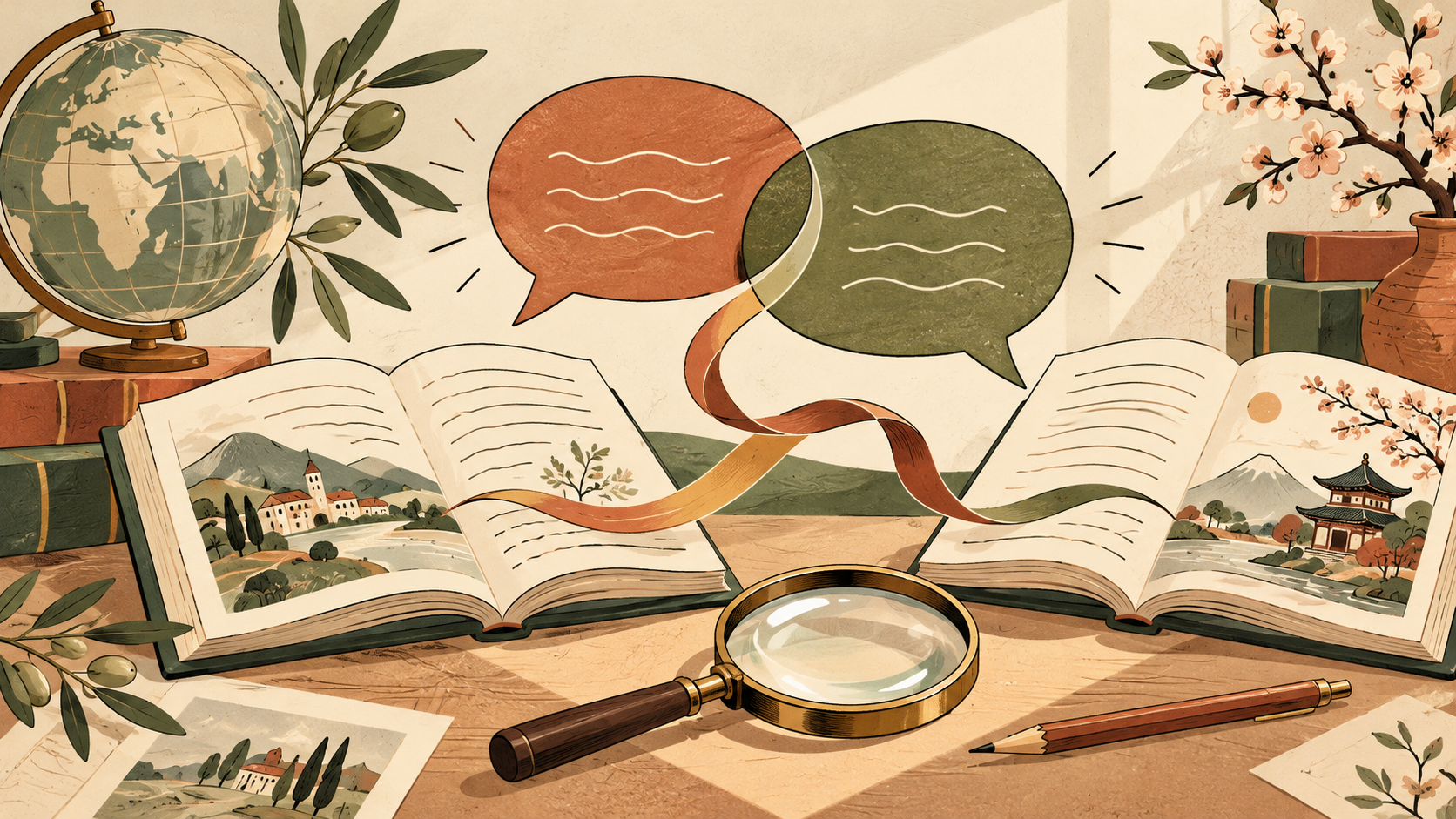
SELECTED READING
A selection for your working day.
Six guides to read, consider and return to.
TRANSLATION
Bringing translation into an AI workflow
DeepL integration, access conditions and a sample exercise for reviewing translated copy.
Read the guide →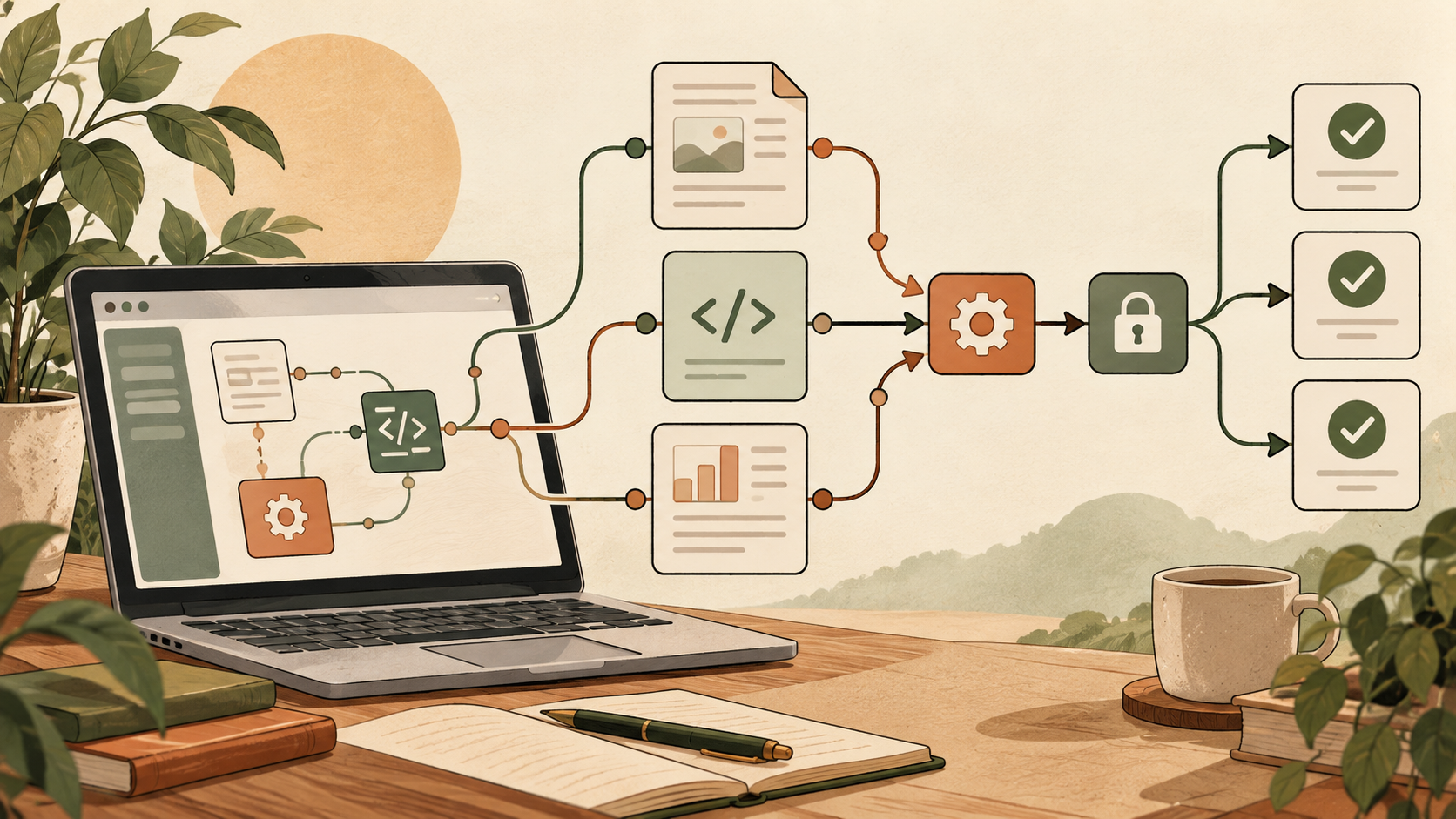
AI WORKFLOW
Choosing Codex as a working tool
From a file change to the published result: preparing a brief and checking the deliverable.
Read the guide →COMPARISON
Codex and Cowork, through the work they do
A task-based look at implementation, document organisation and review.
Read the guide →
VIDEO
A more considered Reels export
Dimensions, frame rates and bitrates, with observed calculator results and an export worksheet.
Read the guide →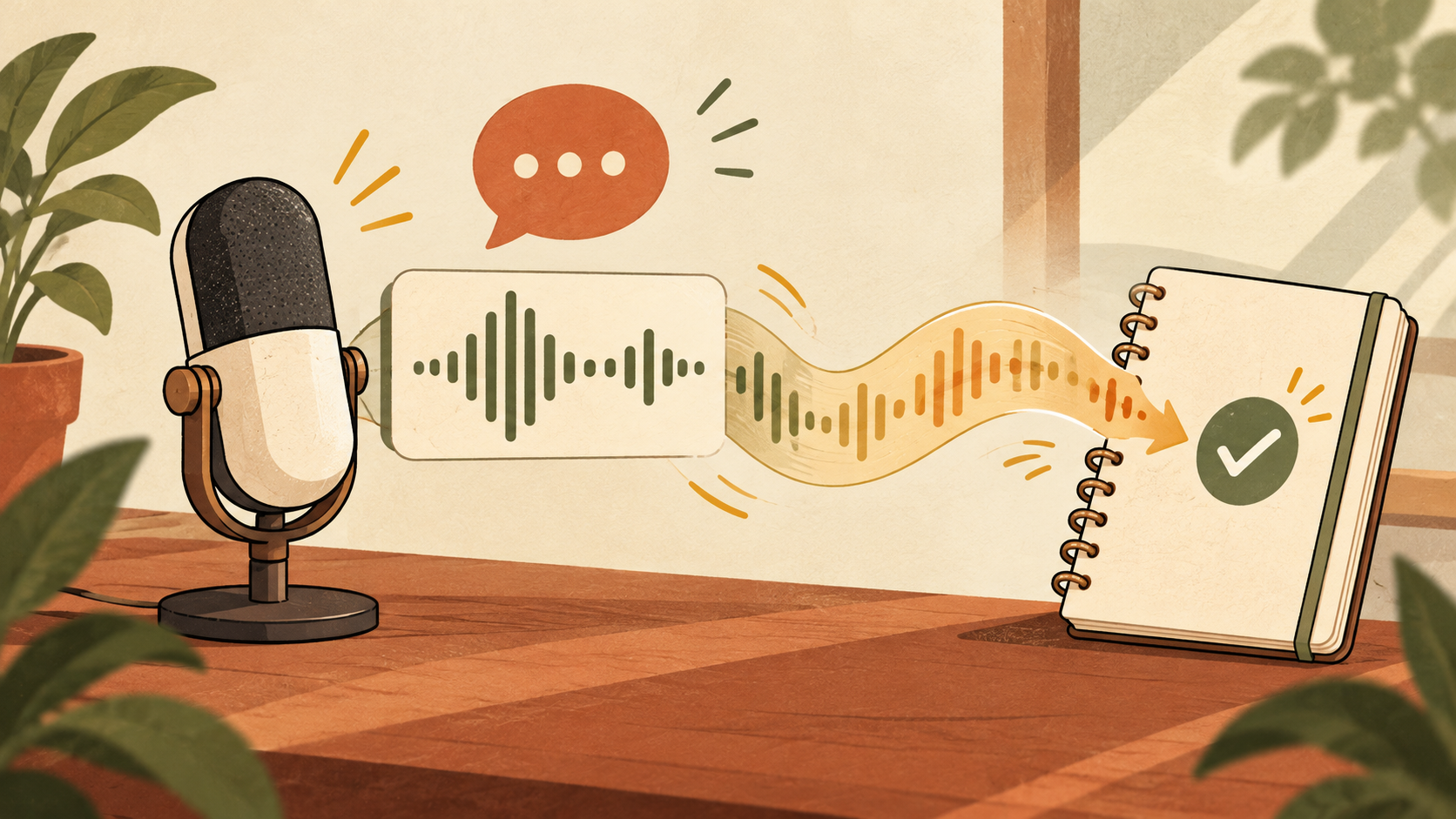
INTERVIEW
Before relying on an audio upload
An actual WAV attachment test, two response-loading errors and a free sample for checking your own environment.
Read the guide →SOCIAL
Making room for the image
Aspect ratios, crop calculations and the details to inspect before posting.
Read the guide →A PLACE TO BEGIN
Begin with the task in front of you.
Read and organise materials
Make room for source checks and missing information before turning a document into a summary.
Research with citations Recordings and interview notesDelegate a piece of work
Understand the difference between tools, then define the boundaries of the first task.
Compare Codex and Cowork Permissions and acceptance checksPrepare an image or video
Find the dimensions and export settings your delivery requires.
Instagram image dimensions Reels export settingsFROM READING TO PRACTICE
A considered path,
from brief to finished work.
Three reading routes connect preparation, a small exercise and a final check.
From a document to a defensible summary
Start with one page. Compare the figures with their source, then review the conditions your summary left out.
Read: keep sources beside the research →Try: the PDF and recalculation record (Japanese) →Ready when
You can trace each figure and name what still needs checking.
From an image to a prepared post
Choose the delivery ratio and leave room around the subject and text. Inspect the exported image at its intended size before adding your introduction.
Read: aspect ratios and cropping →Try: dimensions and a campaign URL →Ready when
Essential details survive the crop and the destination link works.
From an AI draft to publishable copy
Use a fictional announcement to check that a tentative plan stays tentative. Review the commitment before polishing the prose.
Try: a prompt and answer key for undecided details →Continue: reviewing a translation →Ready when
Dates, amounts, negatives and conditions agree with the source.
NOTES FROM THE LAB
What we checked,
and what we observed.
Following a quotation back to its line items.
The automation assistant attached a fictional one-page quotation PDF to ChatGPT and requested a recalculation. The printed total was ¥52,800; the answer was ¥51,700. We recorded the ¥1,100 discrepancy together with the input, instructions and actual screen.
One trial on October 15, 2026, using a text-based PDF. It does not establish accuracy for every document. The full PDF record is in Japanese.
Read the PDF check (Japanese) →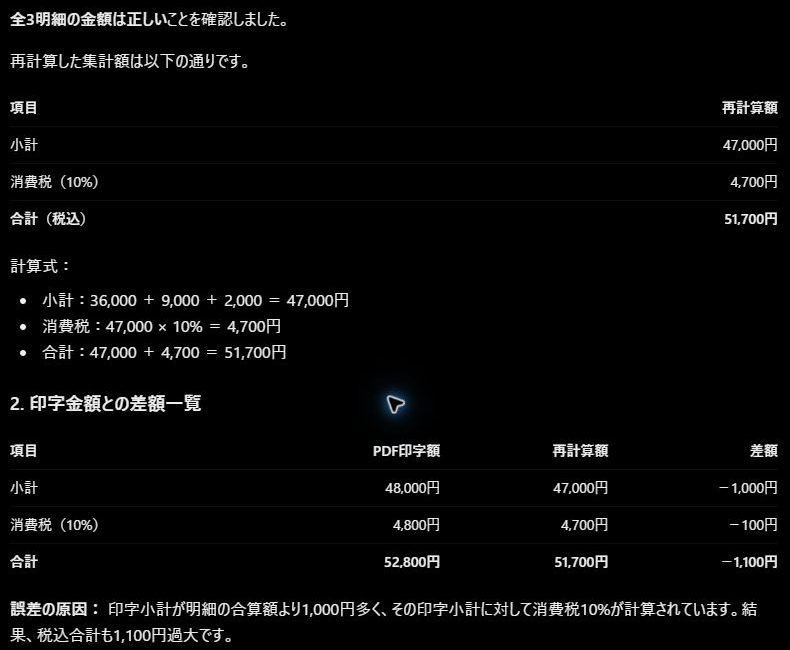
Zero is not undefined
A three-row dataset tested aggregate rates and the treatment of division by zero.
Read the record →Checking a published tool
Four ordinary and rejected-input cases checked the responses of the MSL URL tool.
Read the record →Dimensions and file estimates
Browser checks of the public calculators, with a worksheet for your own exported files.
Read the record →TOOLS FOR THE DESK
A few useful tools,
close to hand.
MSL calculators and checks, available in your browser without registration.
UTM URLs
Add campaign parameters to a public URL and distinguish referral sources.
02Text length
Check character counts and data size while preparing a post.
03Image dimensions
Calculate width and height from your chosen aspect ratio.
04Video file size
Estimate file size from duration and bitrate before exporting.
Only optional QR generation sends the URL to an external service. Please read the explanation in the tool before using it.
Open the free tools →THE MATERIALS LIBRARY
Take the reading
into your own work.
A sample PDF and CSV, reusable prompts, answer keys and blank checklists. Five exercises provide a starting point for trying the methods with fictional data before adapting them to your work.
Free download, no registration. ZIP includes Japanese instructions and answer keys, plus CSV worksheets.
CONTINUE READING
For a little further reading.
Research with sources close to hand
Using Claude Research and checking where its answers come from.
A monthly report, starting with the materials
An editorial workflow for Claude in Google Workspace.
The space a crop removes
What changes when a 3:4 image becomes 4:5.
Defining what an AI may change
Working boundaries and output checks, through a small dataset.
ABOUT MEDIA SPEC LAB
A reader’s perspective
on changing tools.
A useful feature still needs to fit the work. We look at access conditions, practical checks and reasons to adopt or defer a tool, alongside its capabilities.
AI assists our editorial work. We distinguish official information, observed results and suggested workflows, and provide sources and check dates. We revisit content when an error or a relevant change is identified.
Our editorial approach →INFORMATION
Before you begin.
Are the articles and materials free?
Articles, the published exercise kit and MSL tools are free to use. External products mentioned in the guides may have paid plans and separate access conditions.
Will a recorded result be the same in my environment?
Inputs, model behaviour and app versions can change the result. Use the recorded conditions and answer keys to check your own environment. Calculated video size is also distinct from the size of an actual exported file.
How can I report an error or a change?
Send the article URL and the relevant passage through our contact page. We will review the information and make a correction where needed. Contact →
Careful choices, for the work ahead.
Explore every guide →